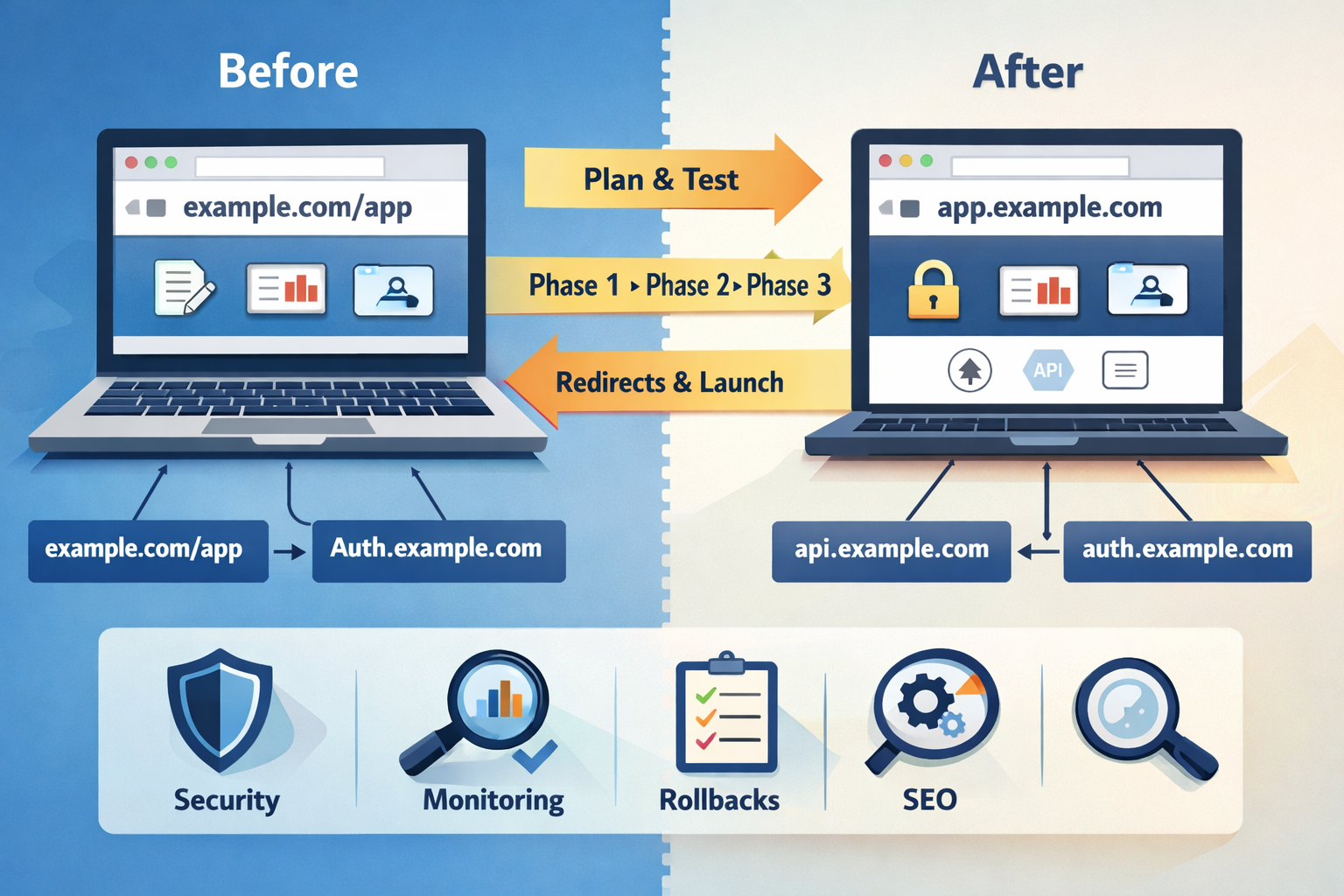
architecture

Path-based to subdomain migration overview

From /app to app.: A Safe, Phased Migration to a Dedicated Subdomain

Migrating a web app from a path-based URL (example.com/app) to a dedicated subdomain (app.example.com) sounds simple—until you touch authentication, routing, and API boundaries. The good news: with a deliberate plan and a phased rollout, it can be low-risk—even boring.

This post outlines a practical approach that worked for us, distilled into phases, traps to avoid, and a reusable checklist.

This approach is especially useful for SaaS products, dashboards, and SPAs that rely on hosted authentication providers and API-driven backends.
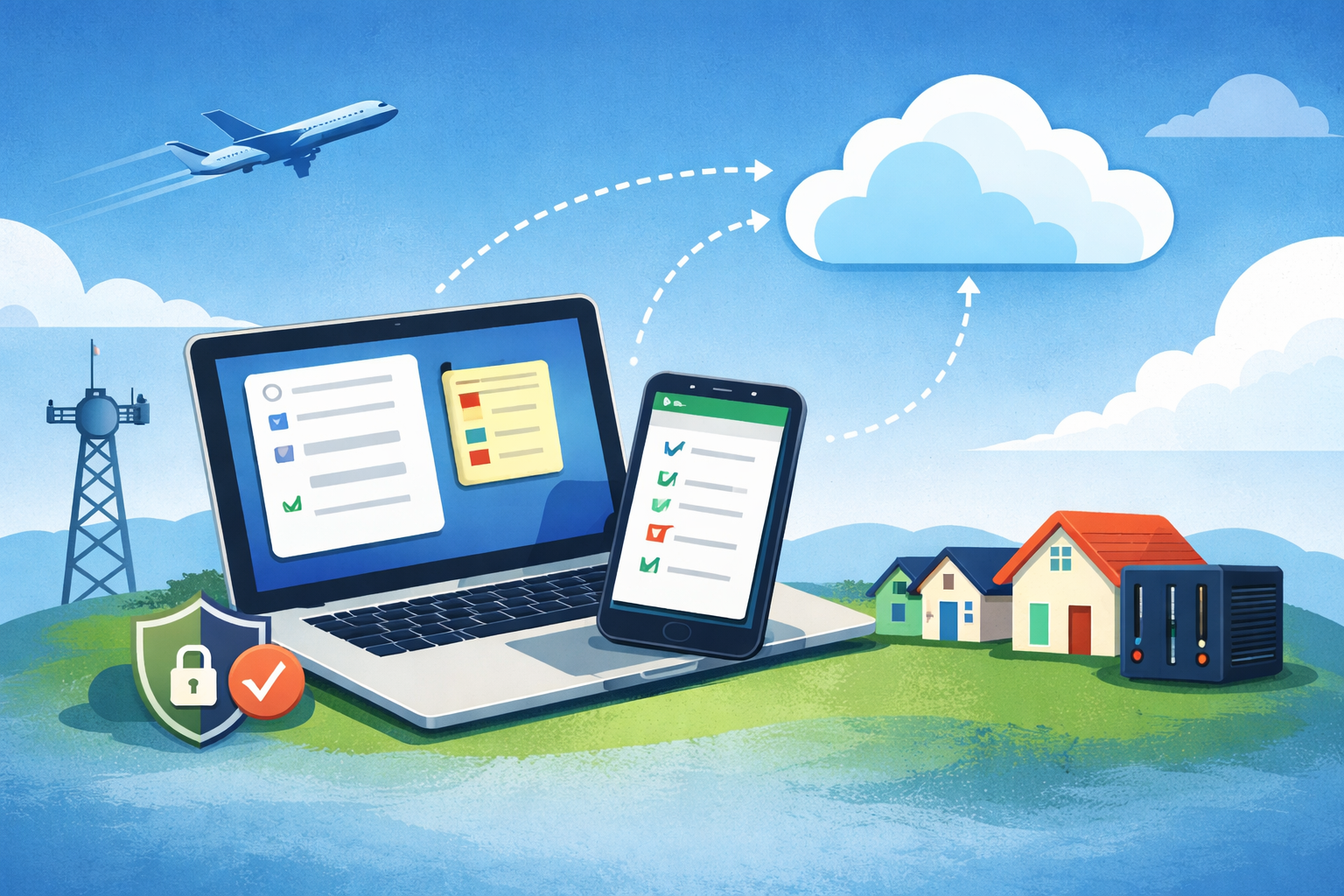
Local-first web apps illustration

Local-First Web Apps: Why They're Making a Comeback (and How to Build One)

If the last decade of web development was all about the cloud, the next wave is quietly bringing something back into focus: local-first applications. Local-first does not mean “no cloud.” It means your app works great even when the cloud does not. This week, let’s explore what local-first apps are, why they matter now, and how you can start building one. What is a local-first app? A local-first app prioritizes the user’s device as the primary source of truth.